
The True Cost of Adding Space to Your Kent Home in 2026
What a garage conversion, loft conversion, single-storey extension and double-storey extension will actually cost you.
Almost every project I take on starts with the same conversation. A couple, usually sitting at their kitchen table with a floor plan spread out and slightly giddy with possibility, tells me their budget. It is a reasonable figure. They have done their research. They have a number in their head that came from a quick Google, a neighbour who "did something similar" a few years ago or a television programme where someone added an extension for what appeared to be the cost of a decent family holiday.
I smile. And then I gently tell them the truth. The homes I love working on most are the ones where a family has added space and genuinely changed the way they live. But the gap between expectation and reality is real and in Kent in 2026, where labour costs have climbed and materials have absorbed the shocks of recent years, being underprepared is expensive in ways that are entirely avoidable.
So here is the version I wish everyone would read before they started.
The Four Ways to Add Space and What They Really Cost
There is no single right answer to "how should I add space to my home?" It depends entirely on what you have, what you need and what you are willing to spend. These are the four routes I see most often across Kent, with honest figures for the South East in 2026.
1. Garage Conversion
Typical cost in Kent: £10,000–£44,000
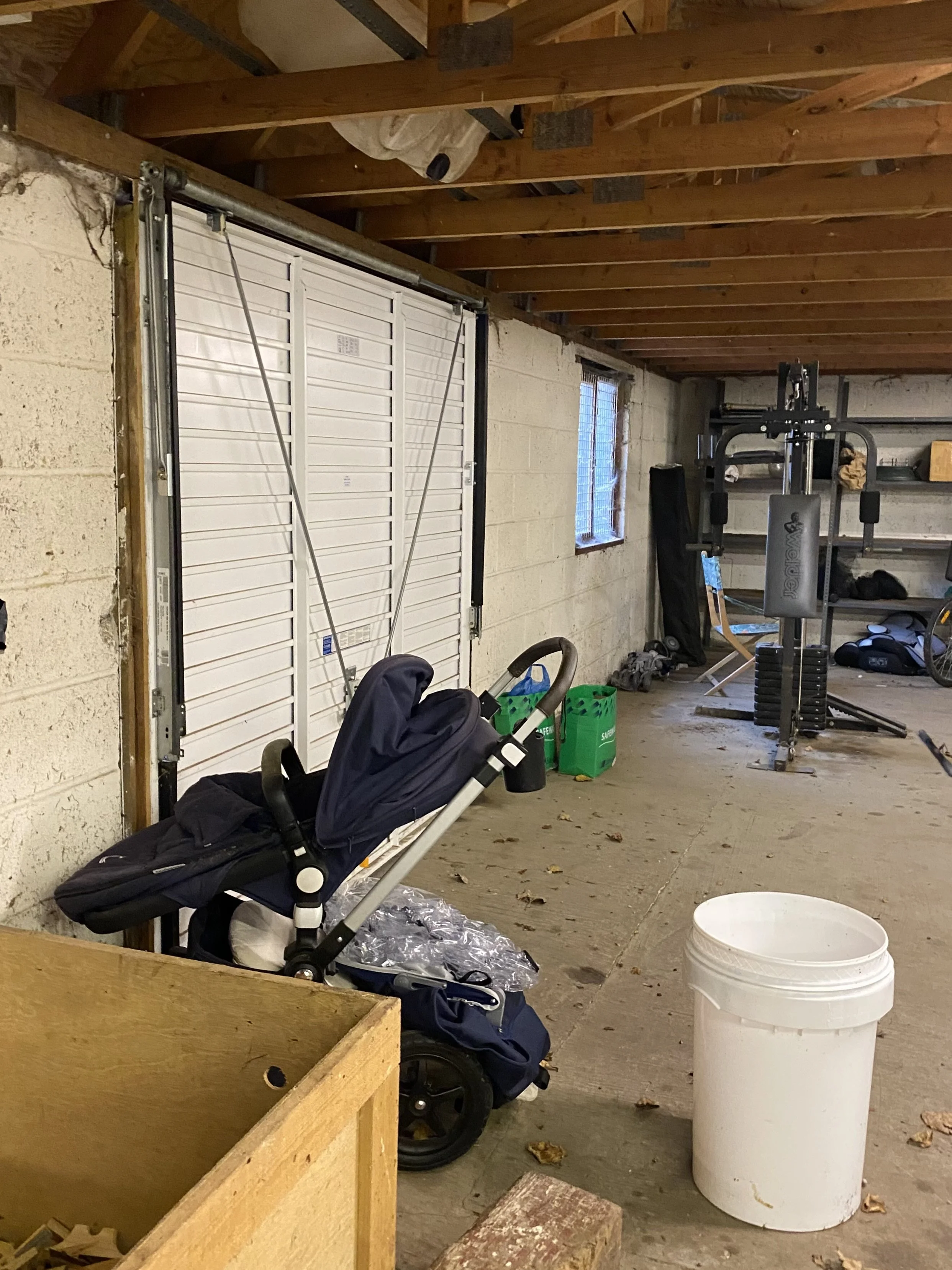
Of all the options, this is the one I always ask clients to consider first. You already have four walls and a roof. You are not building. You are converting. That distinction matters enormously to your budget and your timeline.
A basic conversion into a home office or utility room starts at around £10,000–£16,000. A mid-range conversion creating a proper bedroom, playroom or living space runs £16,000–£27,000. A high-specification conversion, a fully insulated annexe with en-suite and underfloor heating, can reach £35,000–£44,000.
Most garage conversions are permitted development, so no planning permission is needed. That saves money and months of stress. Building regulations approval is still required (budget £500–£900) and proper insulation and damp-proofing are non-negotiable however modest the finish.
One thing worth knowing: if your garage shares a wall with a neighbour, you may need a party wall surveyor. Budget £900–£2,700 per affected neighbour, depending on complexity and whether they appoint their own surveyor.
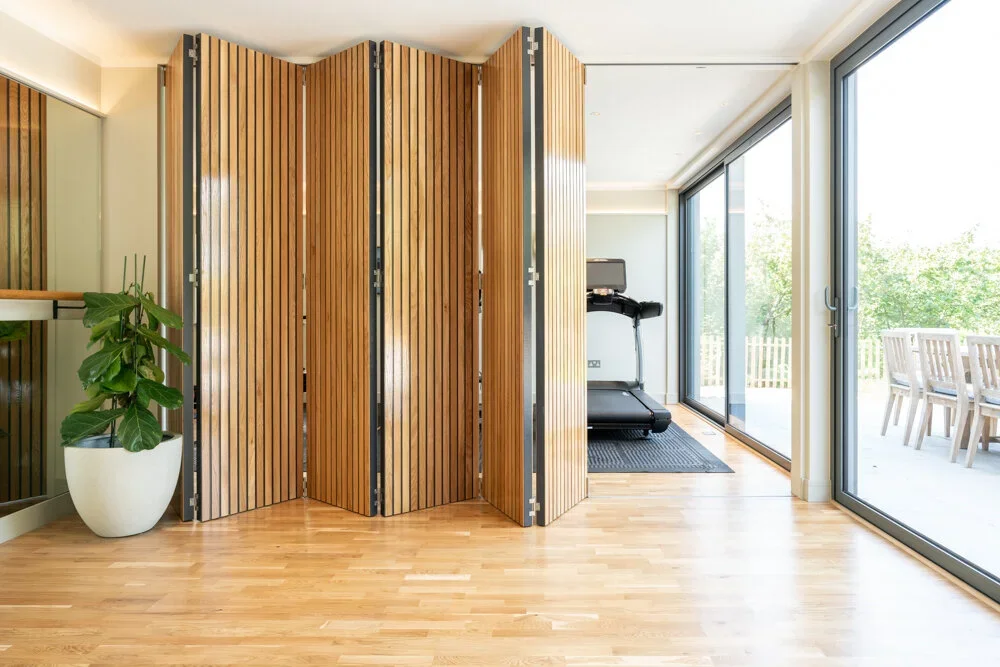
This is ideal for families who need an extra room without significant upheaval and do not have the garden space or appetite for a full extension. It is also, in my experience, the option most people overlook. This garage conversion became a home gym and yoga room.
2. Loft Conversion
Typical cost in Kent: £24,000–£115,000+
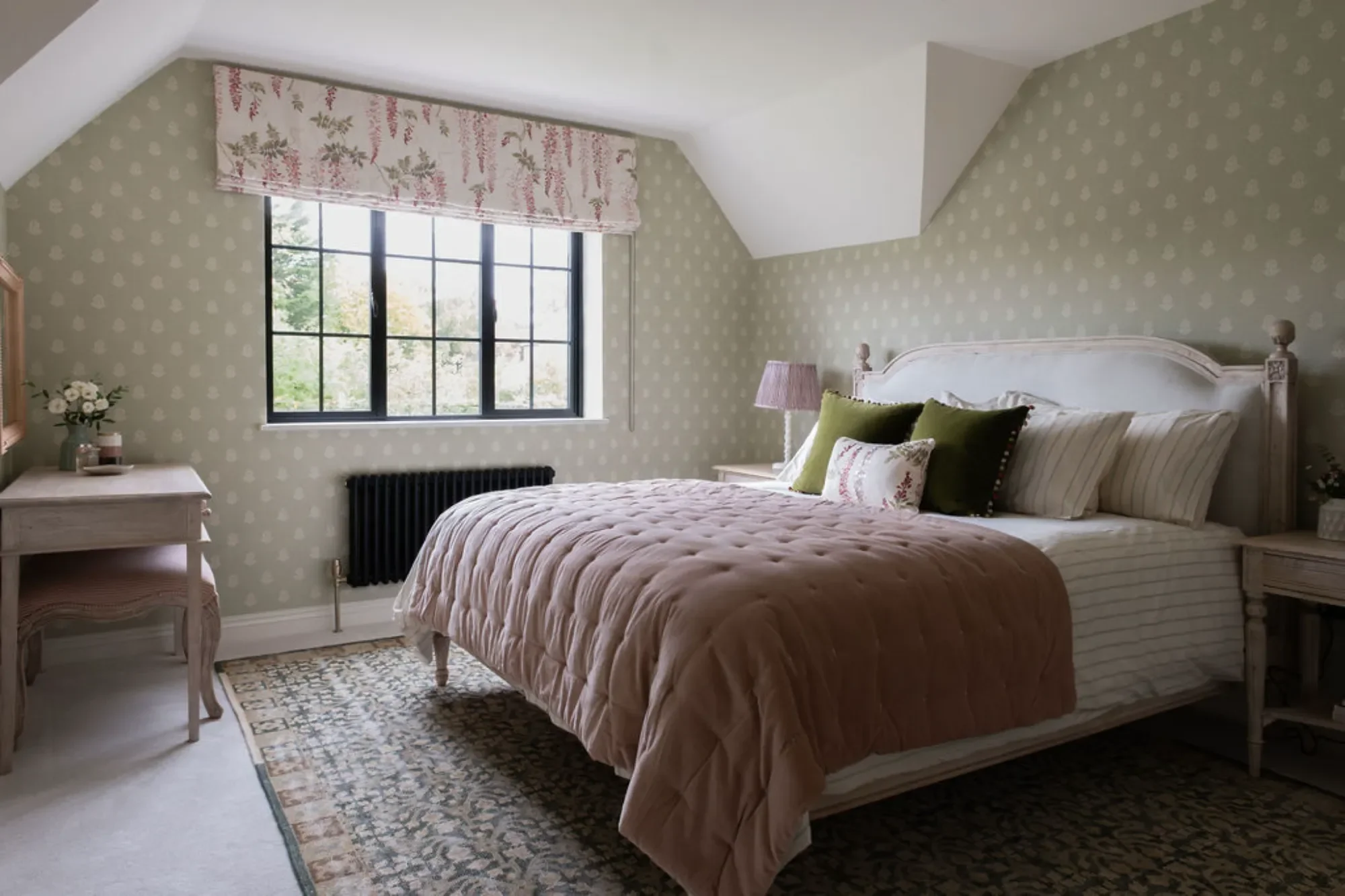
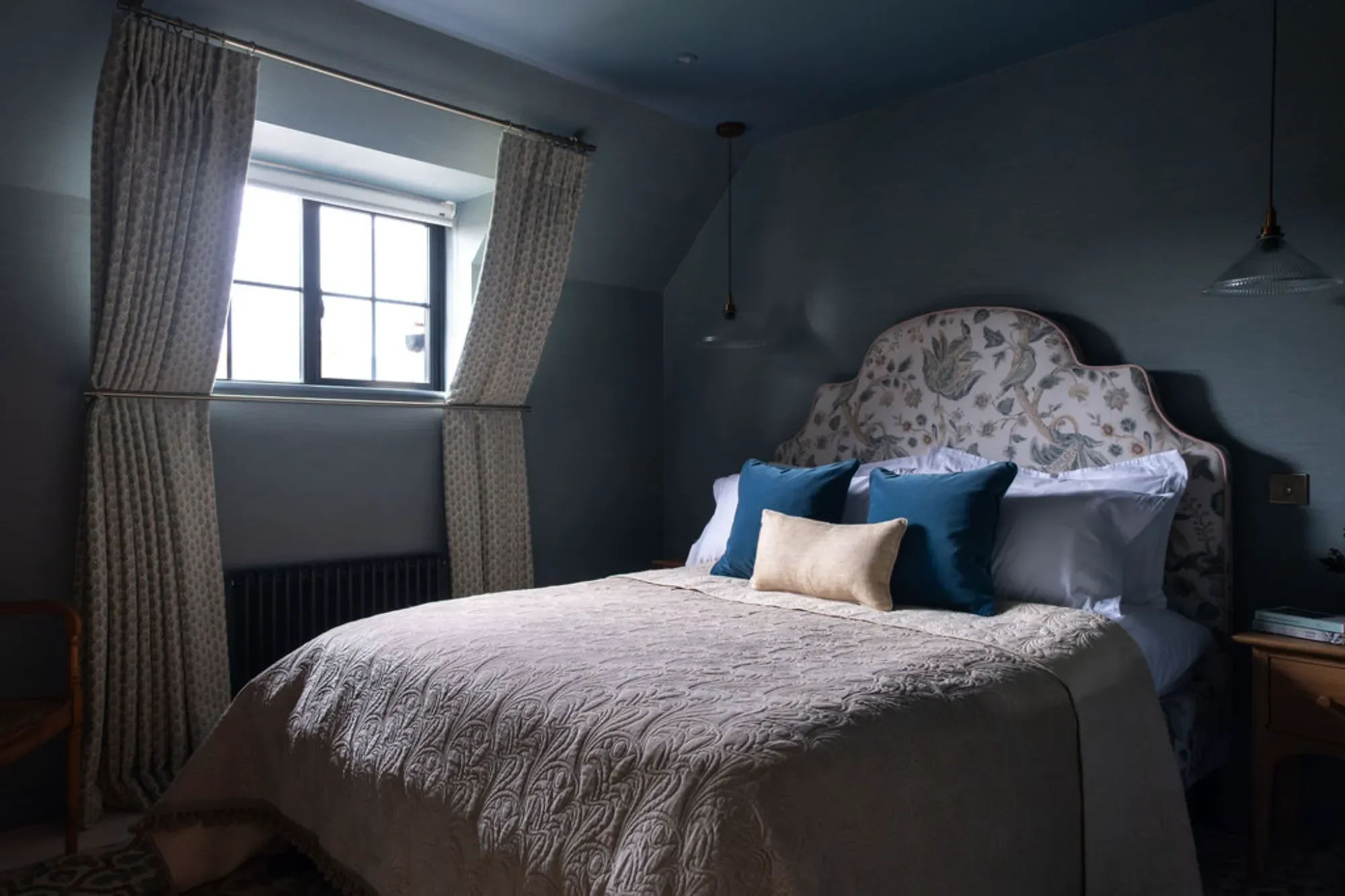
The loft conversion is the most romanticised of all home improvements. I have seen loft conversions completely change a family's life. A beautiful primary bedroom in the eaves, finally giving parents their own space after years of everything spilling into everything else.
The range of costs is wide though and the gap between a simple rooflight conversion and a full mansard is roughly £80,000. Here is how it breaks down in the South East in 2026:
Rooflight conversion (Velux windows, minimal structural change): £24,000–£48,000
Dormer conversion (a box-shaped extension from the roof slope, creating full standing height): £48,000–£85,000
Mansard conversion (near-vertical rear walls, maximum space, most common in period properties): £65,000–£115,000+
Adding an en-suite adds a further £8,000–£15,000 on top. Building regulations approval runs £500–£900. Most loft conversions are permitted development, but if your home is listed, in a conservation area or is a certain type of terrace, you will need planning permission (application fee: £258, architect fees on top). The return on investment is genuinely impressive. A well-executed loft conversion with a bedroom and en-suite typically adds 15–25% to a property's value. On a £450,000 Kent home that could be £67,500–£112,500 of added value. Done properly, it is one of the strongest financial decisions you can make. One thing to check before you get too excited: your roof structure. Traditional cut-roof construction is straightforward. A modern trussed roof requires significant structural work and costs more. A quick loft survey before you go further will save a lot of disappointment.
This is ideal for homeowners with suitable roof pitch who need a bedroom, home office or primary suite. Long-term value is strong.
3. Single-Storey Extension
Typical cost in Kent: £26,000–£90,000+
This is the most popular route to a larger kitchen-diner or living space in Kent, and it is easy to see why. Done well, a single-storey rear extension does not just add square footage. It changes the whole rhythm of a house. The kitchen connects with the garden. The family has room to breathe. The space feels generous in a way the original layout never quite managed.
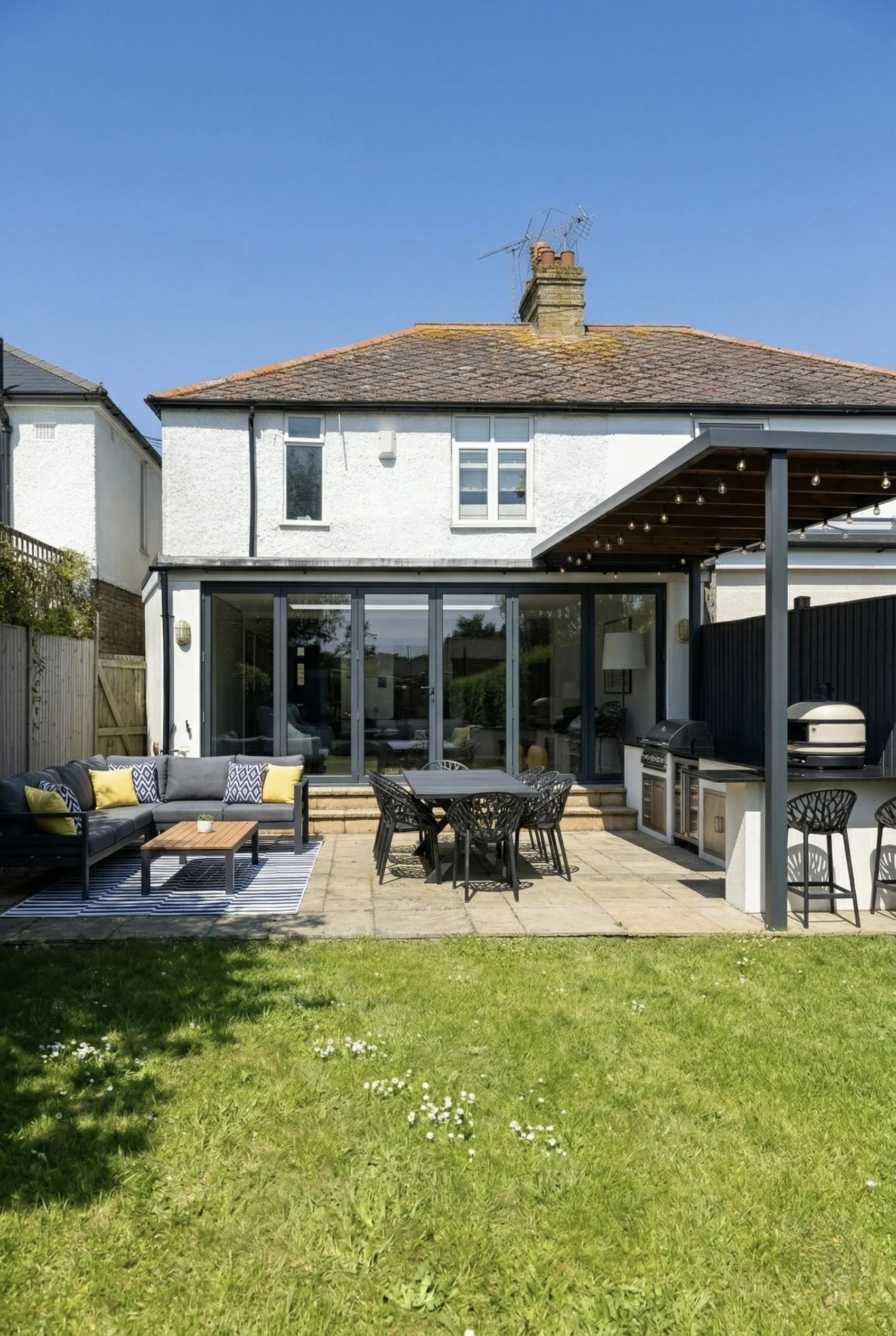
In the South East in 2026, build costs run at approximately £2,200–£3,000 per square metre for a mid-range specification.
Small extension (12m², 3m x 4m): £26,000–£36,000
Medium extension (20m², 5m x 4m): £44,000–£60,000
Larger rear extension (30m²+): £66,000–£90,000+
These are build-only figures. They do not include the kitchen, bifold or sliding doors, a lantern roof light, flooring or the interior fit-out. That can add another £20,000–£60,000 depending on what you choose. A beautifully finished kitchen extension with good-quality bifolds and a considered interior will cost meaningfully more than the build figure alone.
Extensions under 4 metres from the rear boundary are permitted development for most detached homes (3 metres for terraced and semi-detached). Beyond that, planning permission is required.
One thing older Kent properties tend to spring on people: foundations. The condition of existing foundations determines whether the new structure ties in cleanly or whether significant groundwork is needed. On Victorian and Edwardian homes in particular, and Kent has a great many of them, this is a genuinely common and genuinely expensive surprise.
I would recommend this for homeowners who want to transform their kitchen, create an open-plan family space or bring in more light and garden connection at ground floor level.
4. Double-Storey Extension
Typical cost in Kent: £60,000–£195,000+
The double-storey extension is the most significant structural undertaking of the four. It adds space on both floors, typically a larger kitchen-diner below and an extra bedroom or bathroom above, sharing the same foundations and roof. It requires planning permission in almost all cases, a structural engineer and careful design from the very beginning.
In the South East in 2026:
Standard double-storey rear extension: £60,000–£90,000 build cost
Larger double-storey (60m² across both floors): £120,000–£195,000
The per-square-metre cost for a double-storey is actually lower than a single-storey because foundations and roof are shared across two floors. When you genuinely need both ground-floor space and an upstairs room it is excellent value.
What catches people off guard is the professional fees before a single brick is laid. Planning application (£258), architect fees for full drawings and project management (£3,000–£8,000), structural engineer (£500–£1,500) and party wall surveyor if required (£900–£2,700 per neighbour). It is not unusual to spend £8,000–£15,000 on professional fees before the build begins. That figure needs to live in your budget from the start.
For homeowners who need significant additional space on both floors and want the best cost per square metre. Also the right choice when resale value is part of the long-term thinking.
The Number Everyone Forgets
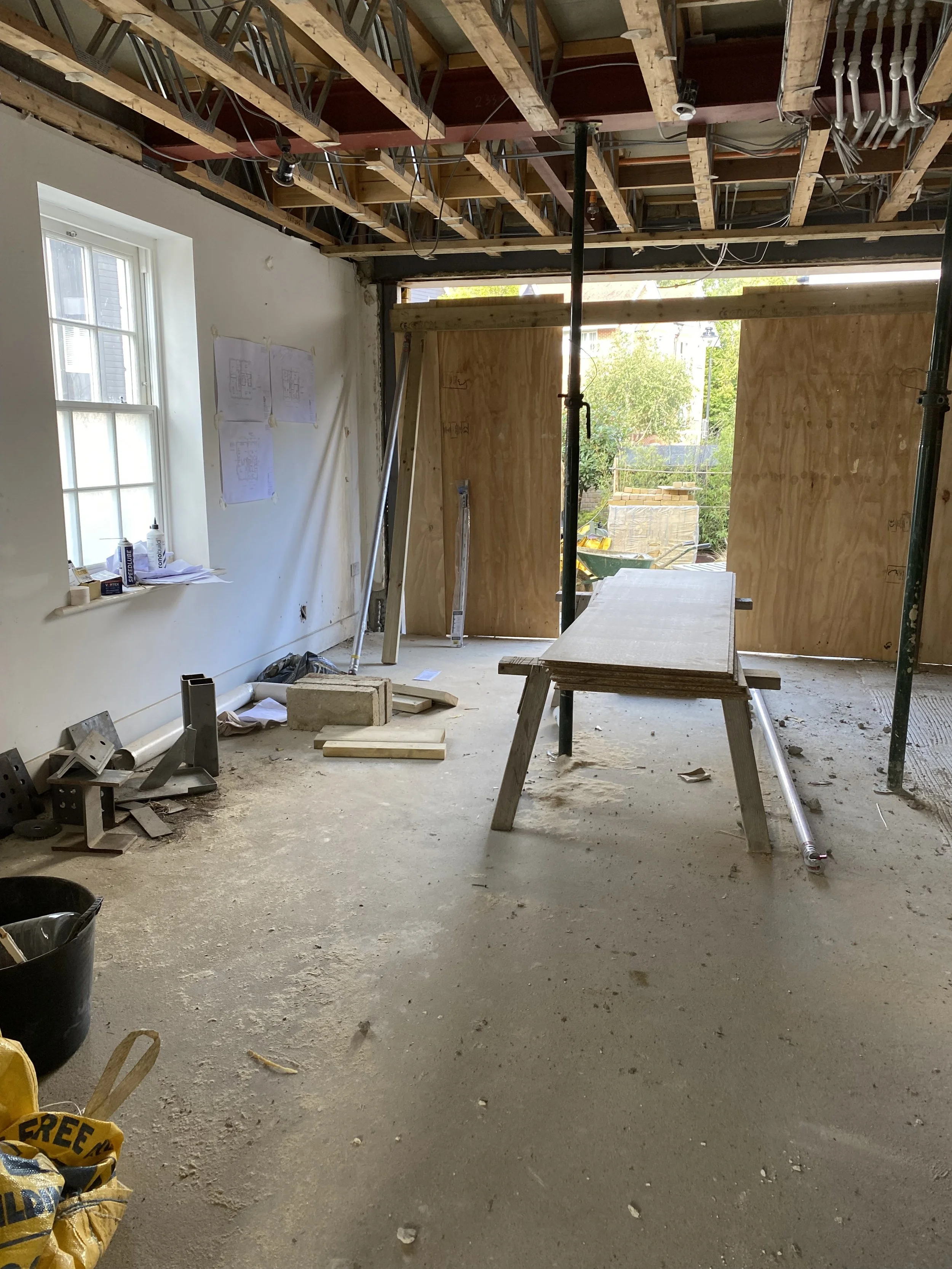
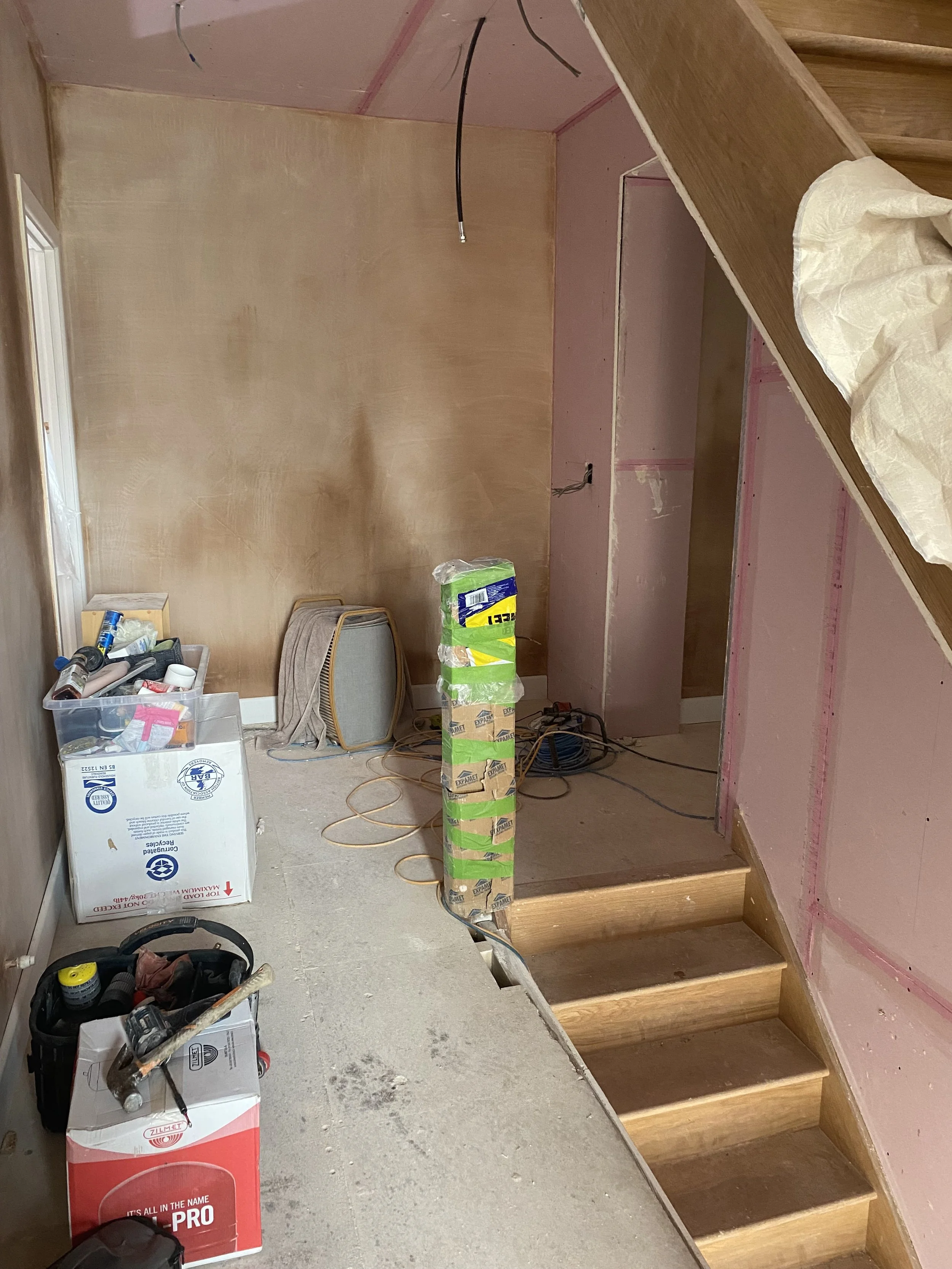
Every single one of these projects requires a contingency of a minimum 15%. On older Kent properties, period cottages, Victorian terraces, Oast houses and character farm conversions, I would suggest for 20%.
Kent has a wonderfully varied housing stock with Georgian townhouses, Victorian terraces, Oast houses and post-war semis. Older buildings can surprise you with asbestos, the original timber that is not what it appeared to be or a chimney breast nobody knew was load-bearing. It is not really a question of whether you will need your contingency. It is a question of when. The contingency is not a fund for upgrading the worktop at the end. It is money you must have and genuinely hope not to spend.
What These Projects Cost at a Glance
Project. Kent Cost Range (2026) Permitted Development?
Garage conversion £10,000–£44,000 Usually yes
Loft conversion (roof light) £24,000–£48,000 Usually yes
Loft conversion (dormer) £48,000–£85,000 Usually yes
Single-storey extension £26,000–£90,000+ Up to 4m rear, usually yes
Double-storey extension £60,000–£195,000+ Planning required
Build cost only. Kitchen, bathroom, fit-out, professional fees and contingency are all additional.
The Part That Makes It Worth it
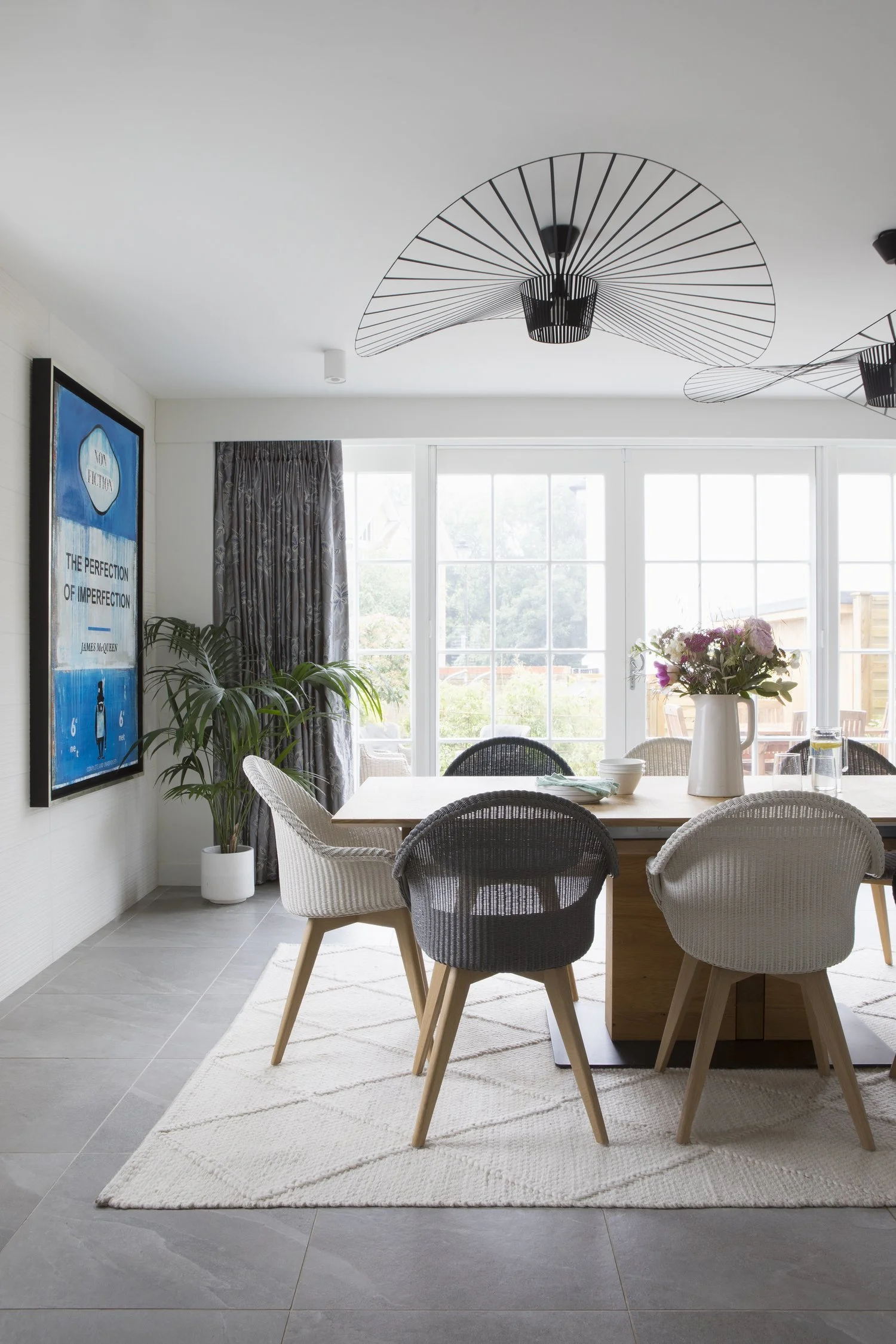
The build cost is only part of the story. What determines whether a project truly transforms a home is not how many square metres you have added. It is what you do with them. A loft conversion with an awkward layout and a staircase that steals half the room will not add the value it should. A single-storey extension that does not connect properly with the existing kitchen, or that lacks the light and proportion to feel generous, will not give you what you imagined when you first unrolled those plans on the kitchen table. Where the staircase goes, how the new space connects with the old, how the light is layered and where the storage lives. These are the decisions that turn a building project into a home you will love for the next twenty years.
If you are planning an extension or conversion in Kent and would like to talk through how to make the design work as beautifully as the build, I would love to hear about your project. Have a look at my Full Service Interior Design, Design Only and Design Consultation packages, or book a Discovery Call to get started.
Sources: Checkatrade, houseUP, BookaBuilderUK, HomeOwners Alliance, Federation of Master Builders. All figures are 2026 South East estimates and will vary based on specification, access and site conditions. Always obtain at least three quotes from RIBA or FMB-registered contractors.