
You can spend a fortune on beautiful furniture and bespoke fabrics. If your lighting is wrong, the room will never feel quite right. Good interior lighting design is about more than choosing an attractive lampshade. It requires technical knowledge and careful spatial planning.
Whether you live in a quirky period property or a pristine new build, lighting dictates how a space functions and feels. A professional lighting plan is the difference between a frustrating workspace and a beautifully atmospheric home.
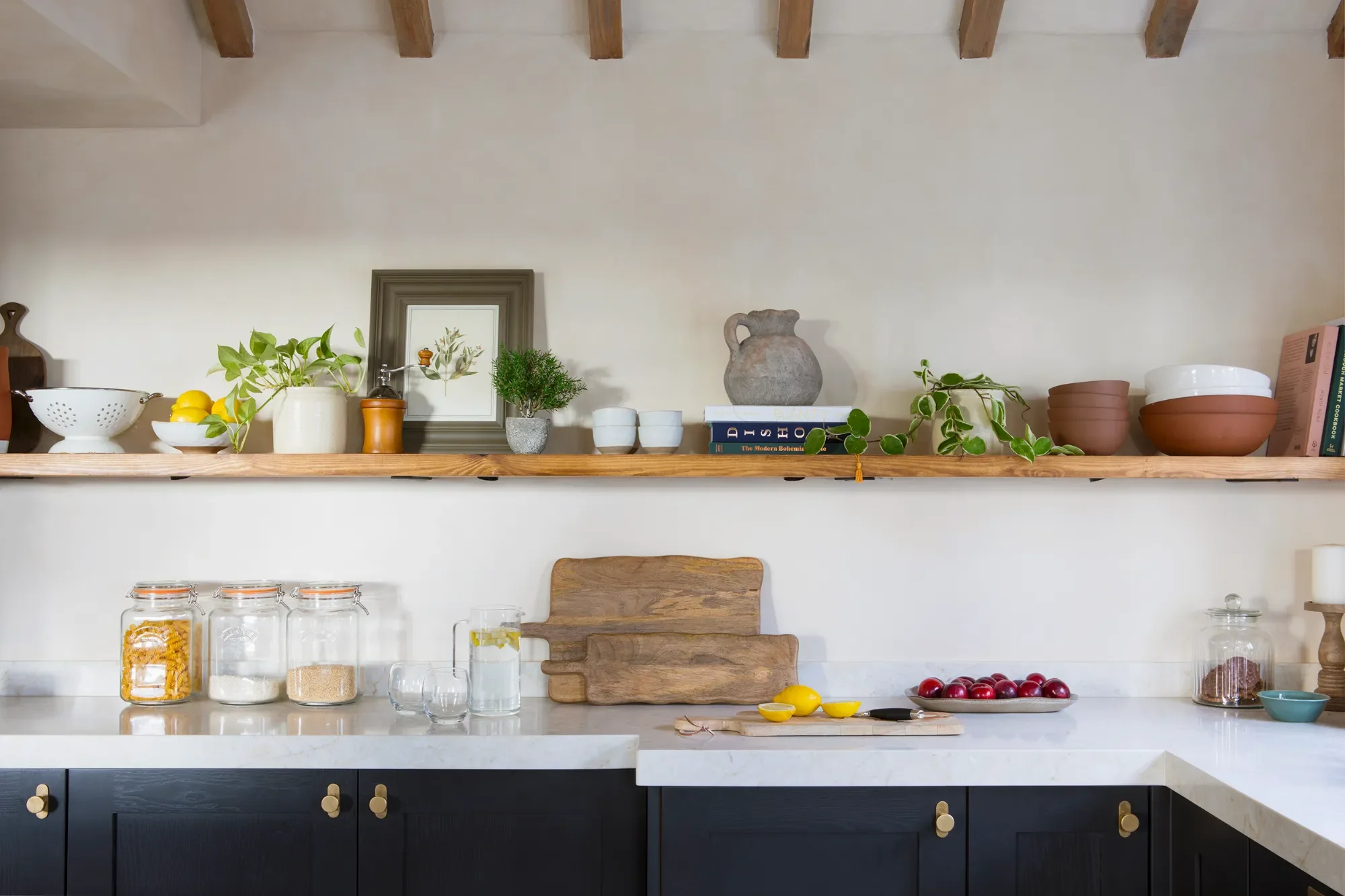
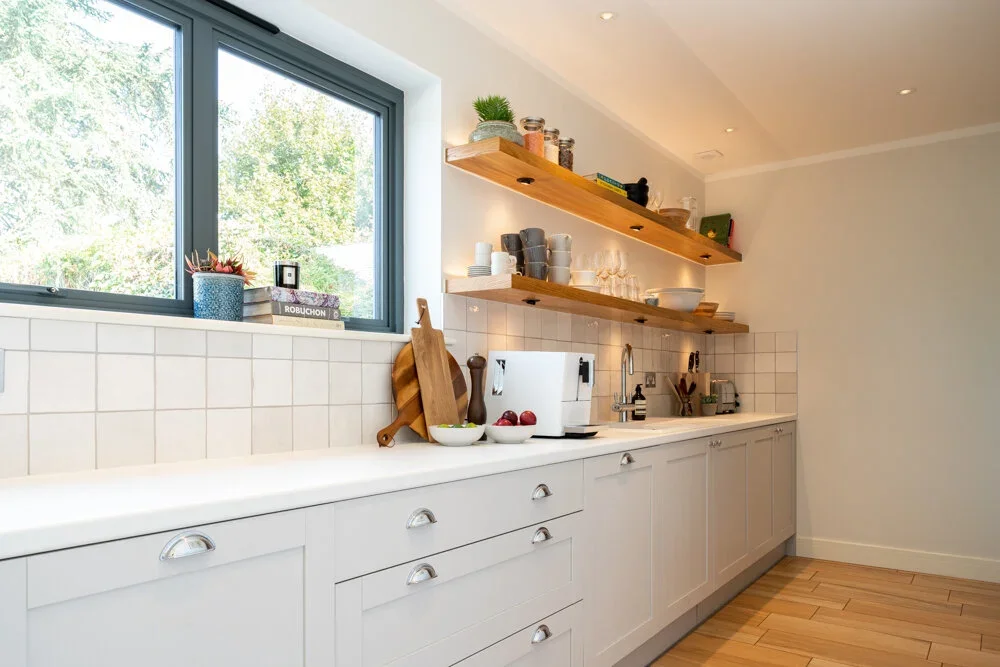
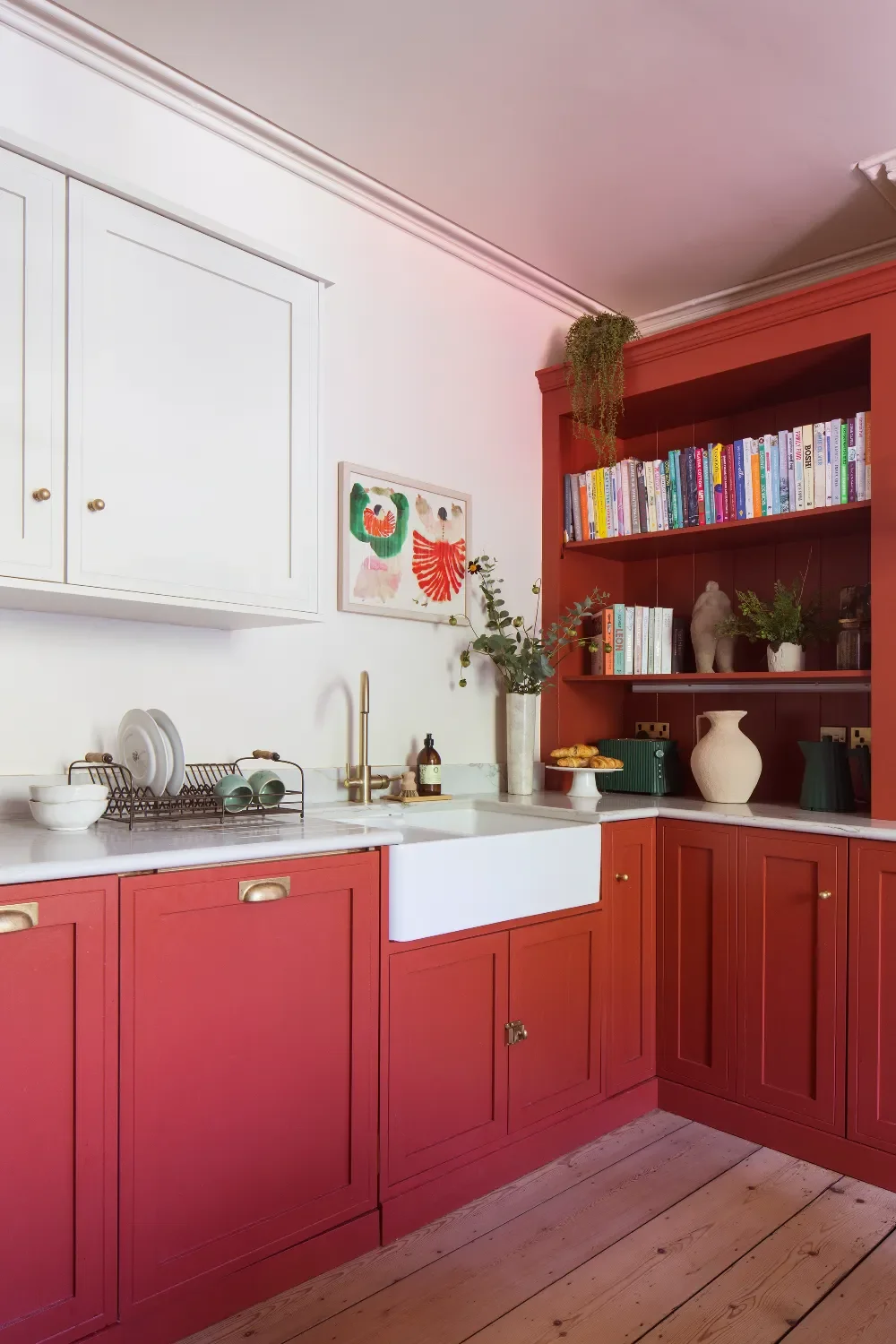
Getting kitchen task lighting right: Many homeowners rely on a single central ceiling pendant. If this is your only light source, your own shadow will block your view of the worktop while you prepare food. The solution is you need directional light mounted under the shelves or wall cupboards. This illuminates the counter directly and prevents annoying shadows while you cook. In the below projects we have used down lights or an LED strip to light uder the shelves. These need to be discreet and barely visible.
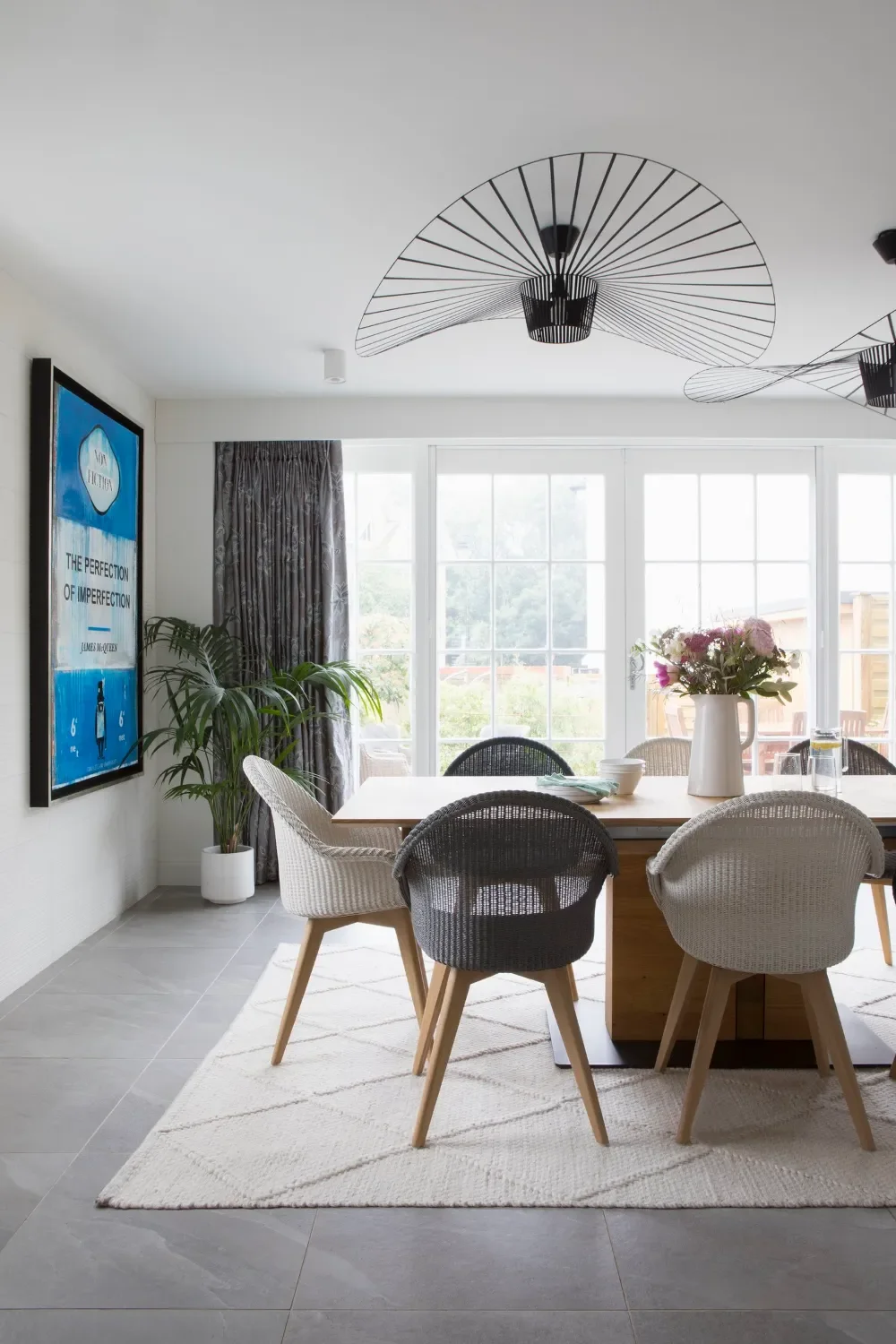
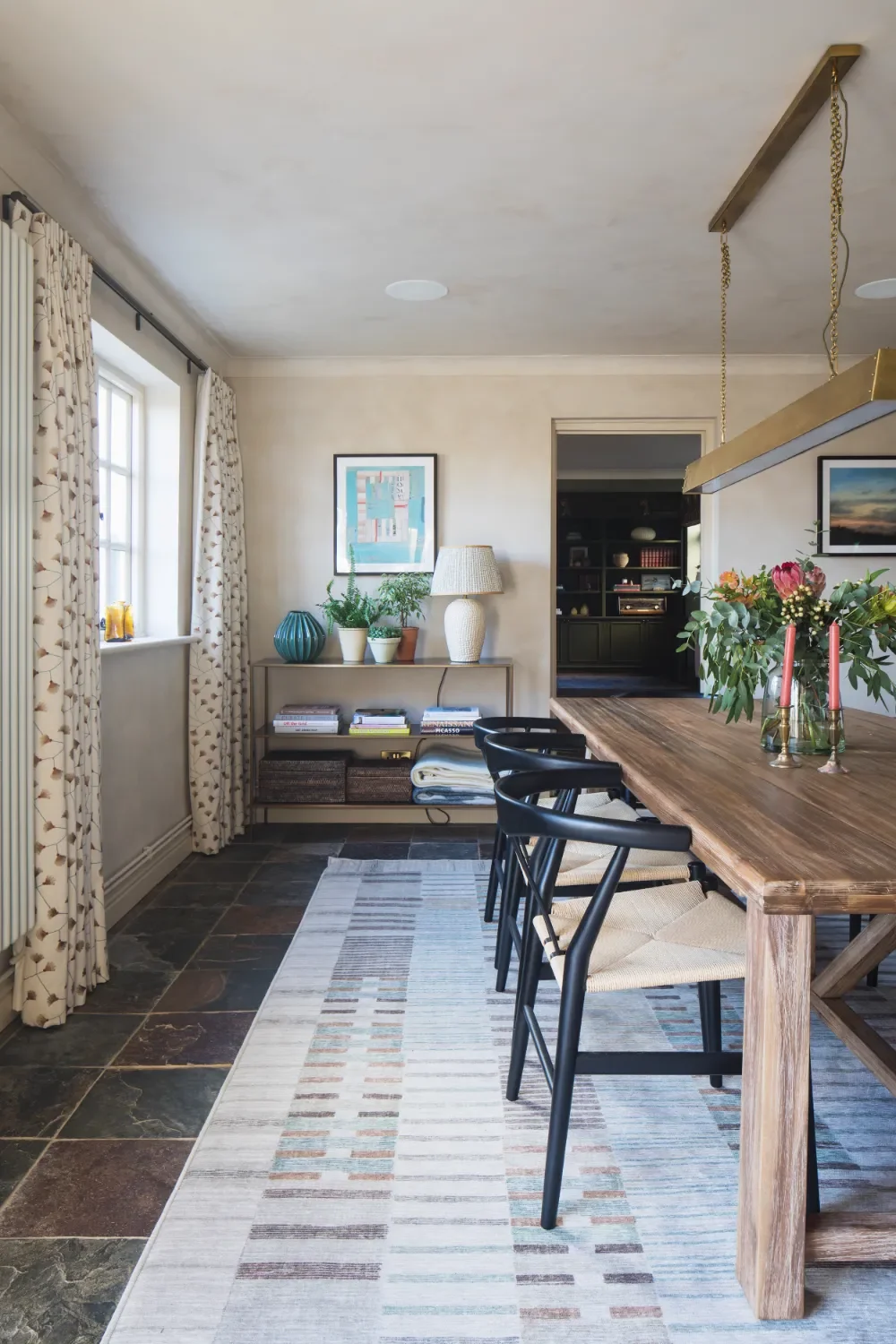
Dining room lighting rules: A chandelier or pendant over a table creates a wonderful focal point. Hanging it at the wrong height causes immediate problems. If the fixture hangs too high, the exposed bulb creates a harsh glare in the eyes of your family and guests. If it hangs too low, it blocks the conversation across the table, or you can bang your head on it when you stand up.
As a general rule, the bottom of a pendant shade should sit 55 to 65 centimetres above the table top. For larger chandeliers, aim for 75 to 80 centimetres. You also need to carefully measure the width of the fitting relative to the table to maintain visual balance.

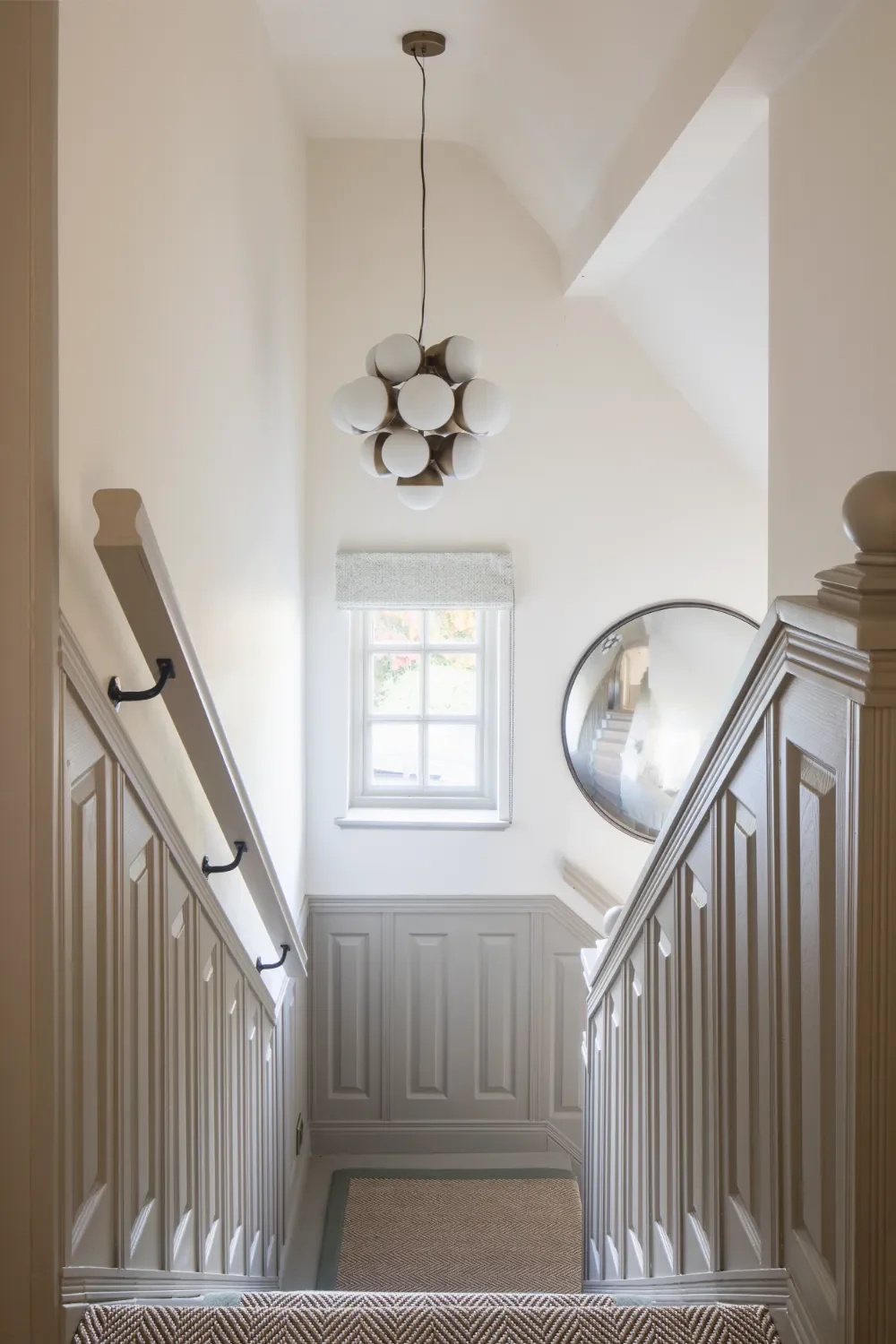
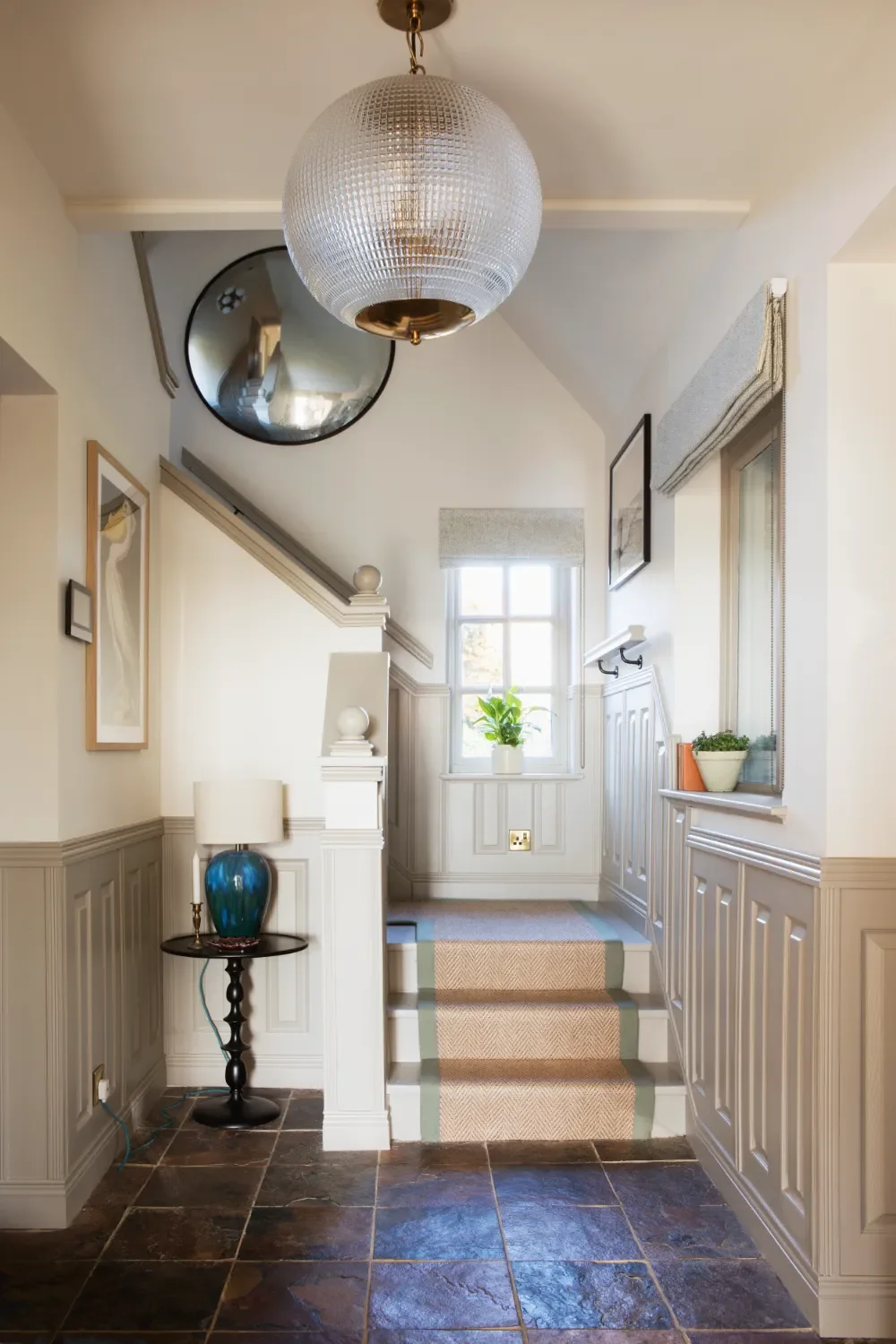
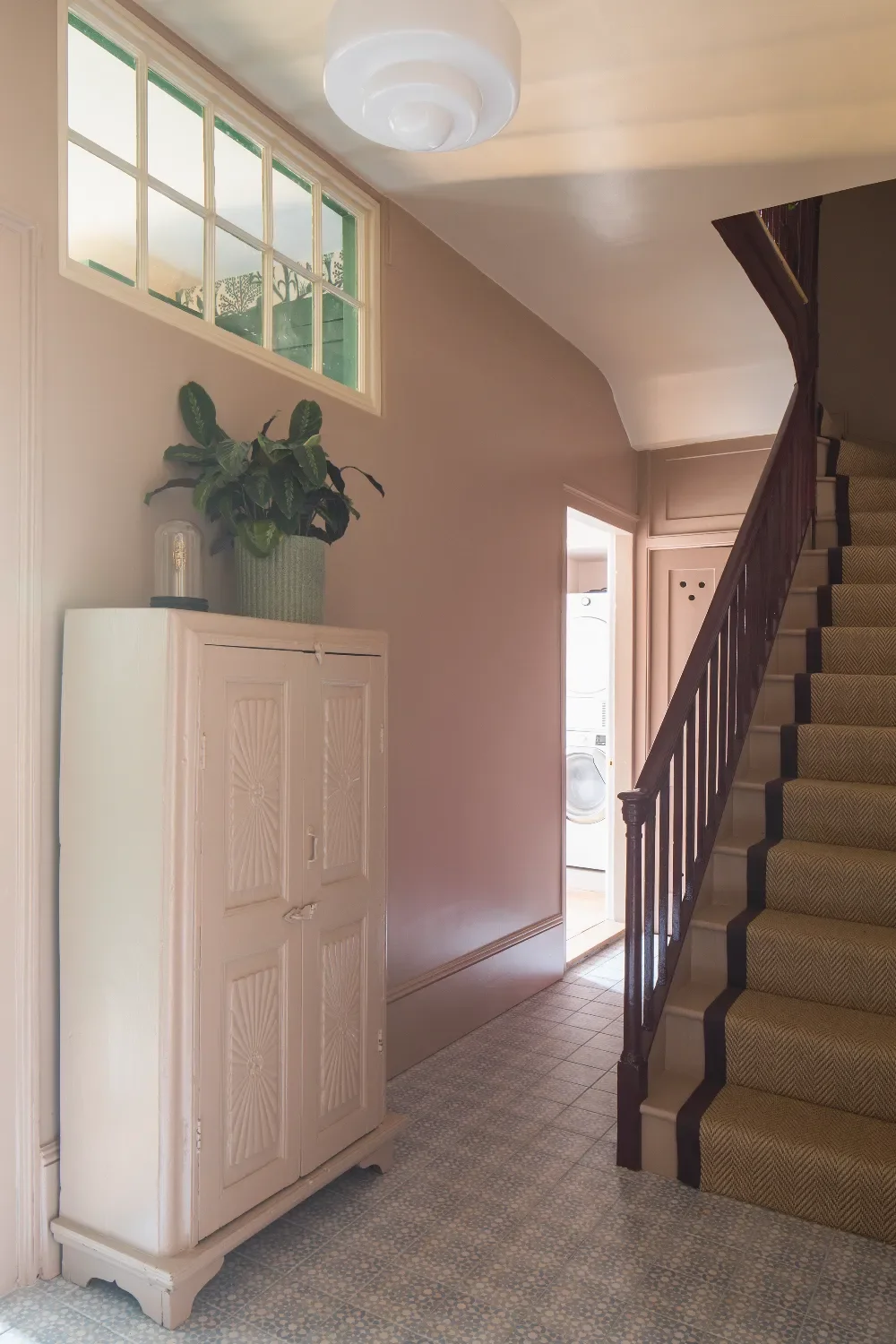
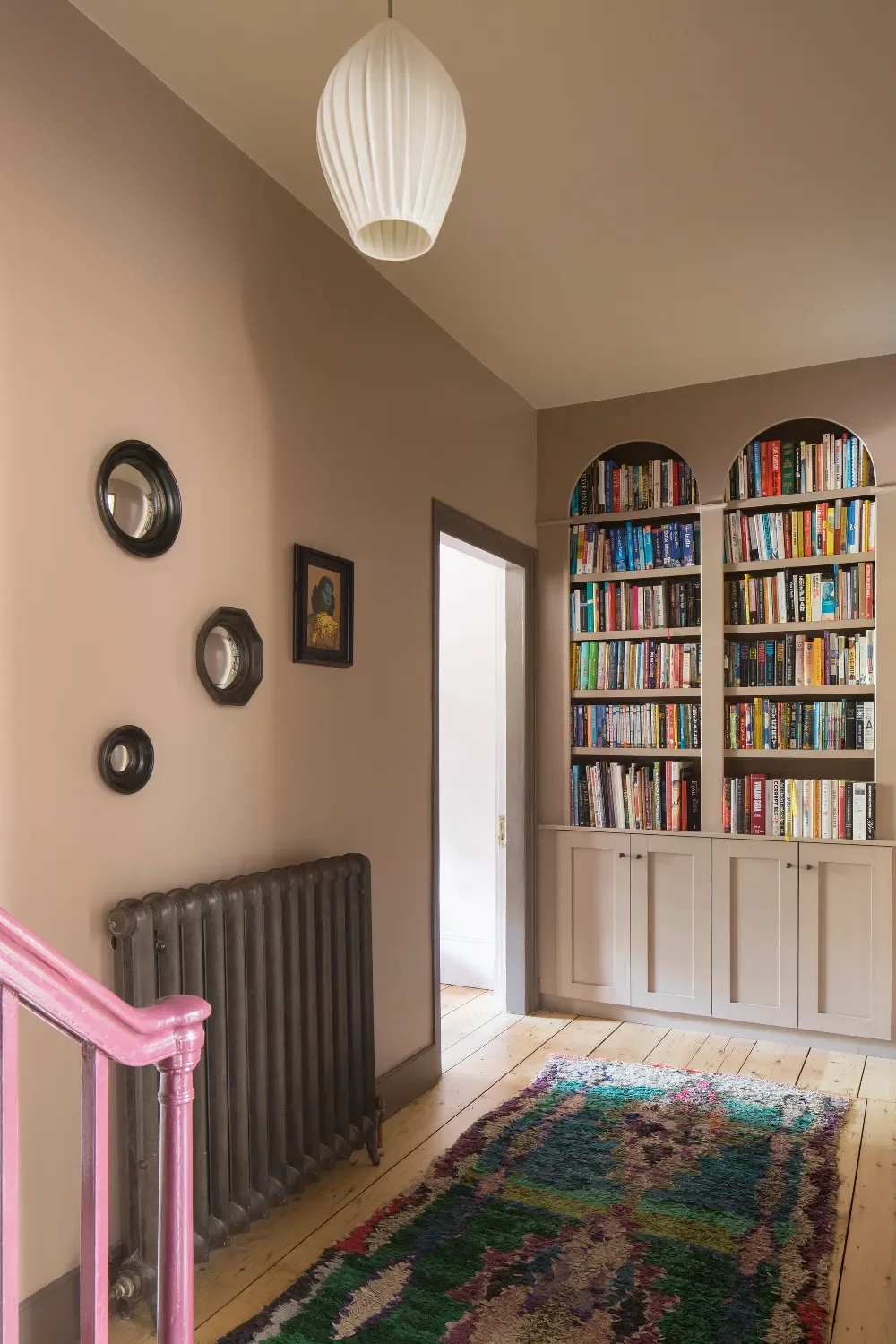
Hallway lighitng: Hallways require equally precise planning. Standard ceilings in many residential lighting Kent projects sit around 2.4 metres high. A flush ceiling fitting is usually the safest choice here to avoid doors hitting hanging shades. If you have high ceilings and choose a pendant, always ensure there is at least 30 to 40 centimetres of clearance above the top of the door frame.
These measurements might seem like small details. Together, they transform a house. This is a significant benefit of hiring an interior designer. We handle the technical rules, the wiring layouts, and the precise measurements. You get to enjoy a home that feels warm, practical, and perfectly lit.
It is essential to plan the lighting before you start. Lighting is one of the most underestimated parts of home renovation.
A well considered lighting scheme usually includes several layers:
architectural lighting
task lighting in kitchens and bathrooms
softer layered evening lighting
feature lighting that highlights materials, art and joinery
If you are planning a renovation in Kent or London and juggling a career and family life, or simply don’t know where to begin, I can talk you through what each room needs to make the space feel calm and intentional.
We can have a 90 minute consultation for me to look at your plans or your home and discuss your lighting ideas. This would be a relaxed, practical conversation to identify the opportunities you may not yet have considered. Having an experienced designer to help you think things through can give you the confidence to make the right decisions. If that sounds helpful, you can book a design consultation session here and we can start planning the lighting in your home.